


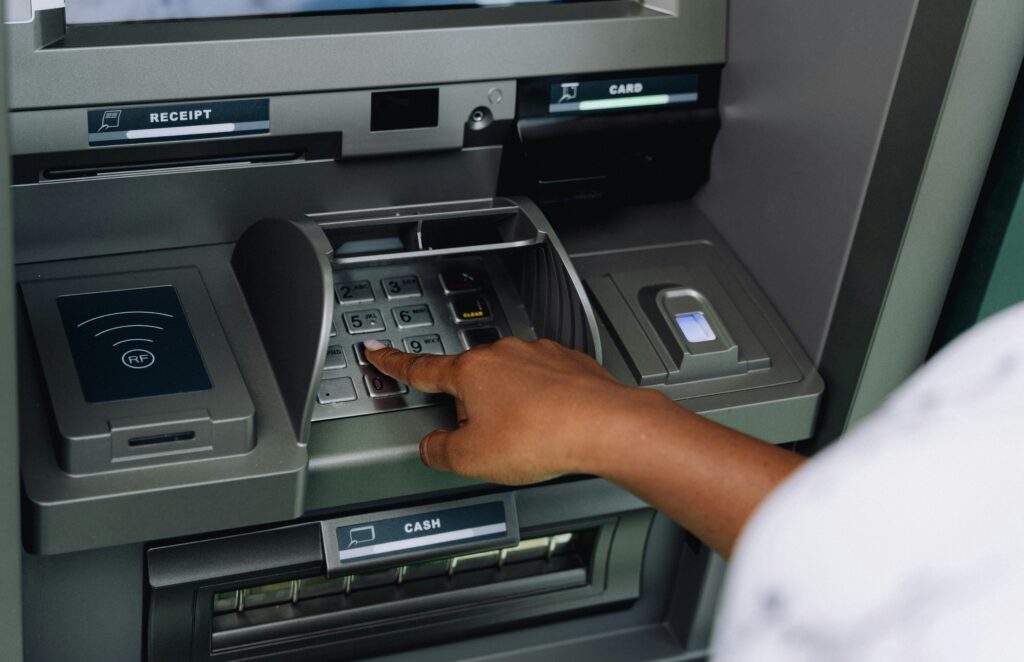
ATM withdrawal limits & charges rules changed from April 2026 in India: Everything you need to know

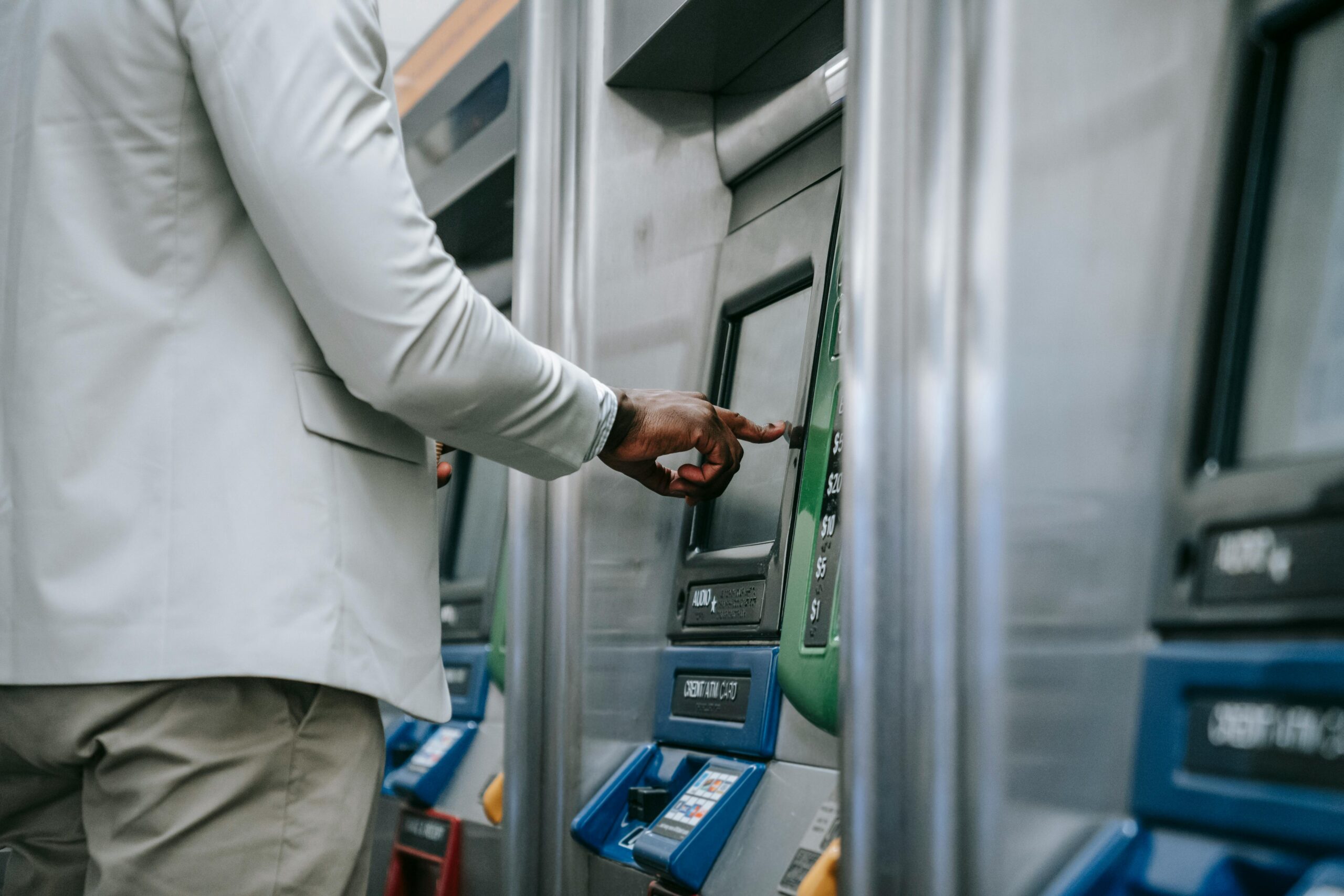
Starting 1st April 2026, the Reserve Bank of India (RBI) along with major public and private banks has implemented significant changes to ATM withdrawal limits, interchange fees, and customer charges. Whether you are a salaried professional, a senior citizen, or a small business owner, these updated rules will impact how you access cash and manage your banking costs.
In this detailed guide, we break down everything — new per-transaction caps, monthly free limits, revised financial and non-financial charges, metro vs rural differences, and smart tips to save on ATM fees. Let’s dive in.
📌 What has changed from April 2026?
The RBI's mandate focuses on balancing convenience for customers and operational costs for banks. Key highlights:
- ✅ Higher daily withdrawal limit for most savings accounts (₹20,000 to ₹50,000 based on bank tier).
- ✅ Revised free transaction count: Metro cities now get 3 free transactions/month (incl. both financial & non-financial), Non-metro get 5 free/month.
- ✅ ATM usage charges increased: Beyond free limit, fee raised from ₹21+GST to ₹25+GST per financial transaction.
- ✅ Cash deposit & balance enquiry charges also revised (non-financial now ₹10+GST after free limit).
- ✅ Interchange fee for banks rationalized, potentially reducing 'surcharge' on white-label ATMs.
📊 Comparison: Before vs After (April 2026)
| Parameter | Old Rule (pre-April 2026) | New Rule (w.e.f April 2026) |
|---|---|---|
| Monthly free transactions (Metro) | 3 (some banks 5) | 3 free (Unified) |
| Monthly free transactions (Non-Metro) | 5 | 5 free (Retained) |
| Charge per additional financial transaction | ₹21 + GST | ₹25 + GST (approx ₹29.5) |
| Non-financial (balance enquiry) extra charge | ₹8-10 + GST | ₹12 + GST |
| Max withdrawal limit per day (Savings) | ₹10,000 - ₹40,000 | ₹20,000 (basic) to ₹50,000 (premium accounts) |
🏧 Detailed Breakdown: New ATM Limits & Charges
Different banks have implemented slight variations based on customer segments. However, RBI has set minimum standards. Let's understand:
🔹 Monthly free transaction count: If you live in Mumbai, Delhi, Bengaluru, Chennai, Kolkata, Hyderabad, Pune, Ahmedabad, Surat — you get 3 free transactions (including both cash withdrawal and non-financial). For other centres (Tier-2/3/rural) you get 5 free.
🔹 Extra charges: Beyond free limit, every cash withdrawal will cost ₹25 + GST. Balance enquiry costs ₹12 + GST after free quota.
🔄 What about using other bank ATMs?
Yes, the free transactions include usage of own bank ATMs as well as other bank ATMs in the same city. Once you exceed the monthly free limit, each financial transaction at other bank ATMs will attract ₹25+GST. Some banks may levy an additional convenience fee for using ATMs in remote locations — but as per new rules, the base fee is standardised.
💡 Smart Tips to Minimize ATM Charges (Human-Touch Advice)
Nobody likes paying extra fees for accessing their own hard-earned money. Here's how you can stay ahead:
- 🎯 Plan your cash withdrawals: Instead of withdrawing small amounts frequently, take out a larger sum once or twice a month (within your daily limit) to stay within free transactions.
- 🏦 Use digital payments: UPI, netbanking, and cards can reduce dependency on cash. Many merchants accept QR code payments — safe & zero charges.
- 📍 Prefer your own bank’s ATM? After free quota, using own bank’s ATM might still be cheaper for premium plans — check with your bank.
- 📱 Track transactions via mobile banking: Most banks now show how many free ATM transactions you have used in the current month — use that to avoid surprises.
- 👵 Senior citizens & BSBD accounts: Basic Savings Bank Deposit accounts continue to get additional concessions — upto 6-8 free transactions per month in rural areas.
🏛️ Why has RBI changed the rules?
Banks incur costs on ATM maintenance, cash replenishment, security, and connectivity. With rising operational expenses and increased digital adoption, the RBI aims to rationalise fees while still encouraging responsible cash usage. The new interchange fee structure ensures smaller banks and white-label ATM operators remain viable, improving rural access.
Moreover, the higher per-transaction withdrawal limit means customers can withdraw more cash in one go, thereby reducing the number of ATM visits— a win-win for both customers and banks.
📅 Important Dates & Transition
These rules came into effect from April 1, 2026. Banks have already updated their ATM screens and displayed revised charges. If you used an ATM on 1st April or later, you might have noticed a disclosure message. Any transactions done before April follow the old fee structure.
❓ Frequently Asked Questions (FAQs)
Q1. Are all banks required to follow these limits?
Yes, all public, private, and foreign banks operating in India must comply with the RBI circular. However, individual banks may offer higher free transactions as a customer perk.
Q2. Does the new limit apply to credit card cash advance ATMs?
No, credit card cash advance has separate terms. These rules are for savings/current account debit cards only.
Q3. Will I be charged for failed transactions due to insufficient cash in ATM?
No, if ATM fails to dispense cash but amount is deducted, you won't be charged additionally. Banks reverse within 7 working days.
Q4. What about international ATM usage?
These changes are for domestic ATMs in India. International transaction fees remain as per your card's forex policy.
We hope this guide helps you navigate the new ATM regime with clarity. Stay tuned to WealthGainer for more personal finance updates, smart calculators, and banking insights.
— Team WealthGainer